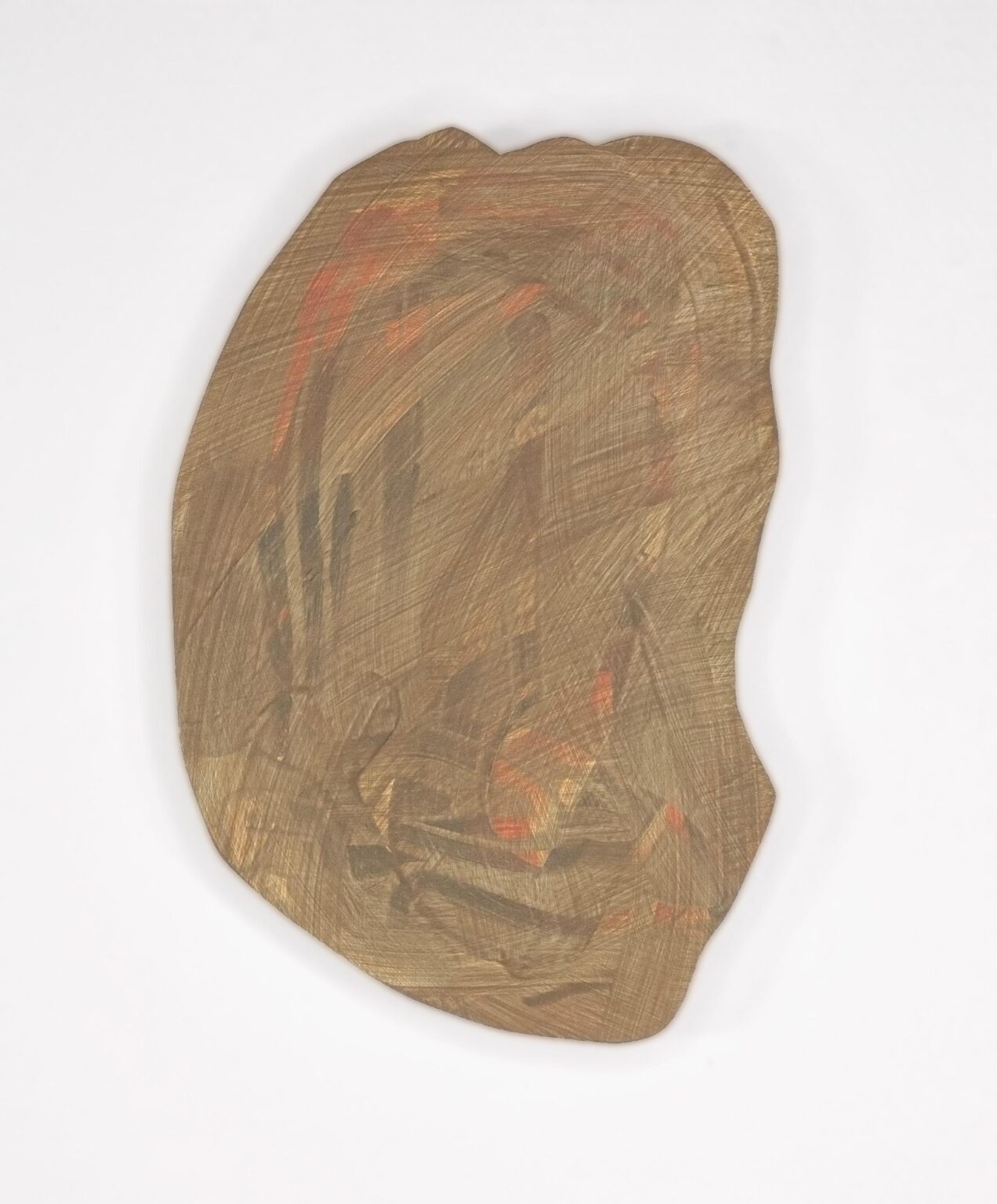
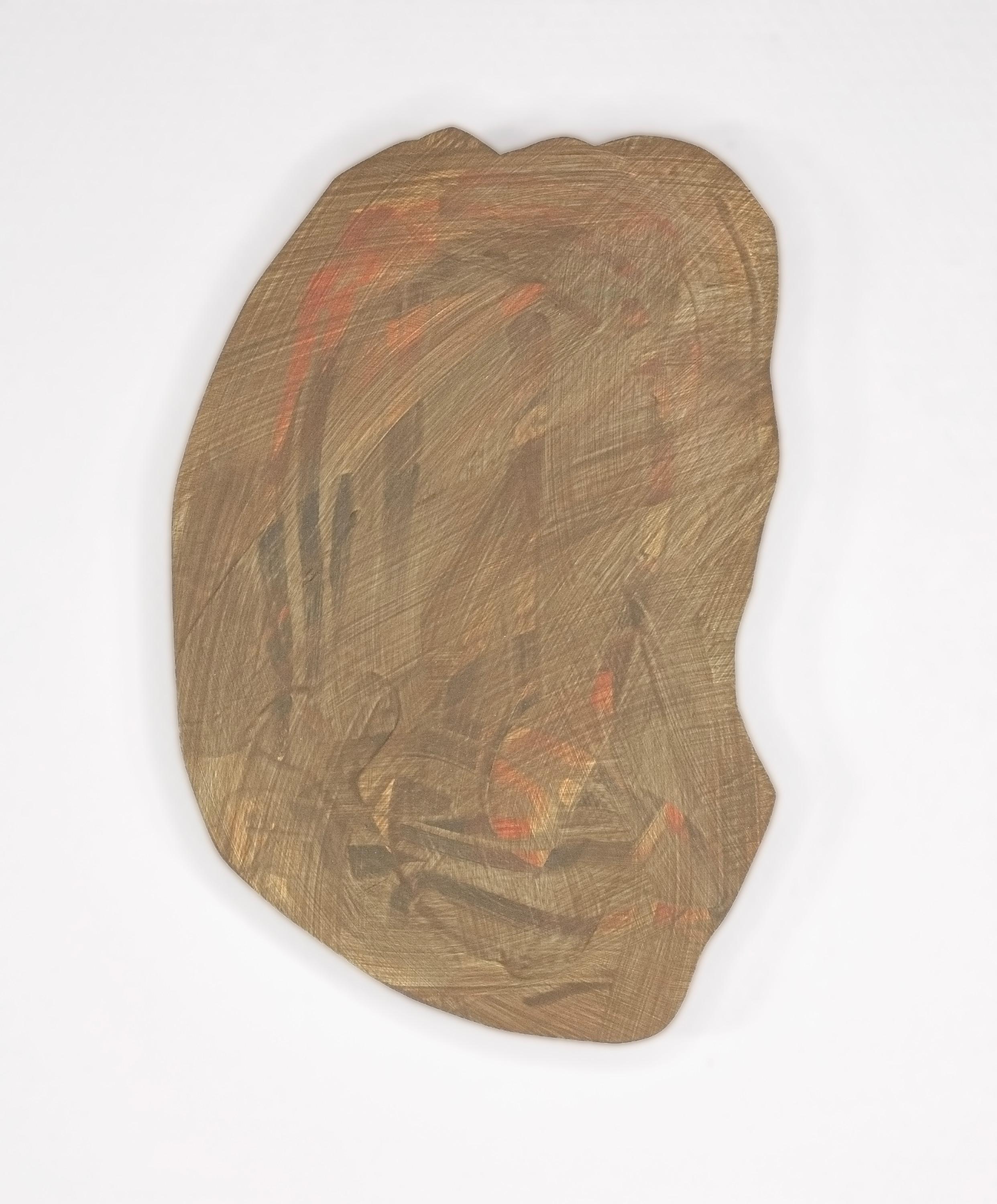
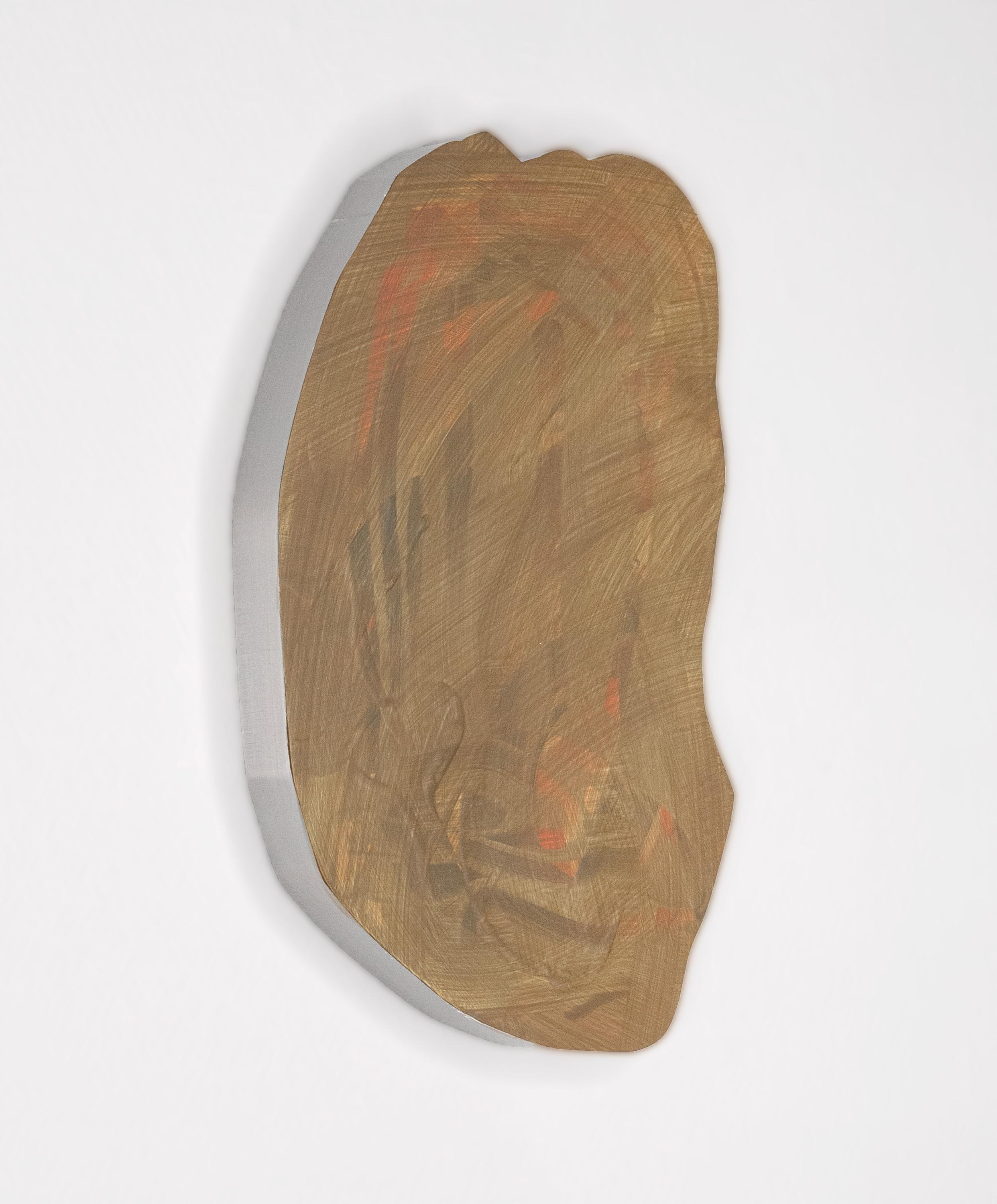
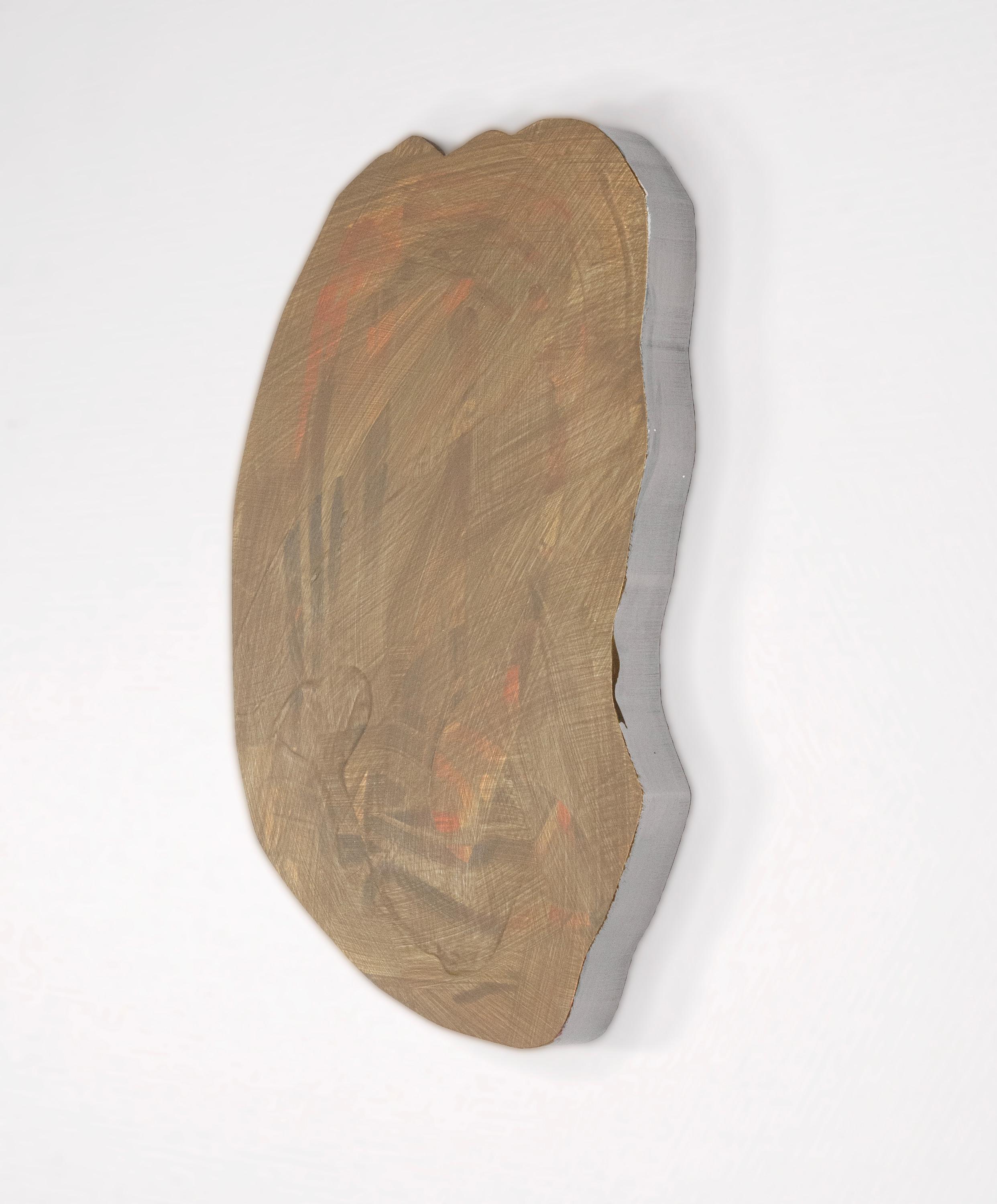
BIG GIRL Waw.1 - Imi Knoebel
Imi Knoebel (*December 31, 1940, in Dessau, Germany) is a renowned German artist best known for his minimalist and abstract works. He is considered one of the most influential figures in contemporary art.

Born Klaus Wolf Knoebel, he began his studies at the Kunstakademie Düsseldorf in 1964, initially under Lothar Baumgarten and later under Joseph Beuys. Beuys’ concept of an expanded definition of art and his experimental approach had a significant impact on Knoebel’s artistic development.

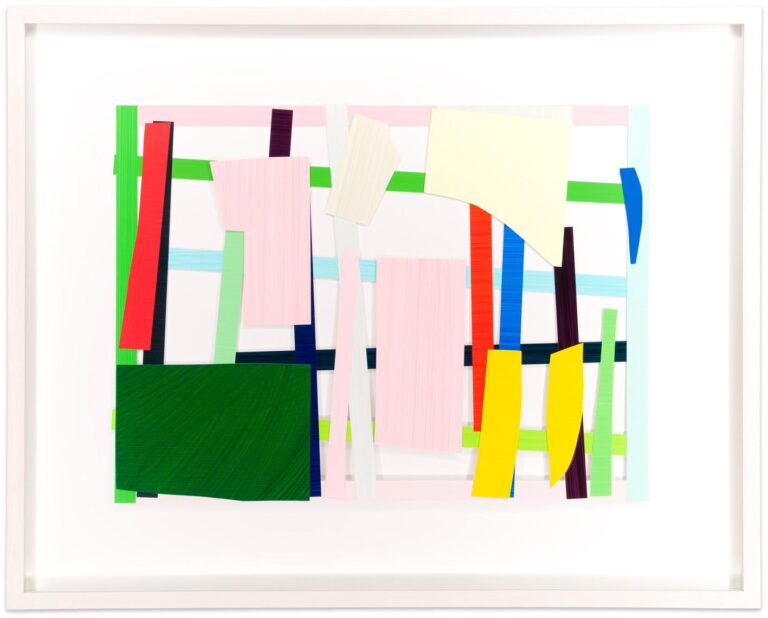
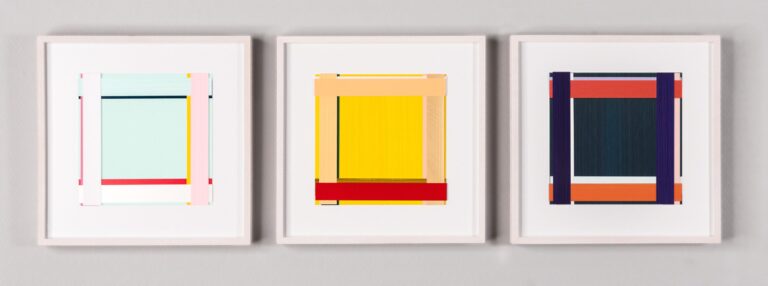
Knoebel’s early works focused on the analysis of space and form, often influenced by the Bauhaus movement. In the 1970s, he increasingly turned to painting and color compositions. Among his most famous series are “Mennige Bilder”, “Anima Mundi”, and his large-scale, color-intensive panels made of aluminum and Plexiglas. These works reflect a reduced, clear aesthetic often associated with geometric abstraction.

Throughout his career, Knoebel has participated in numerous international exhibitions, including multiple appearances at Documenta in Kassel (1972, 1977, 1982, 1987), and his works are featured in prominent museums such as the Museum of Modern Art (MoMA) in New York and the Tate Gallery in London.

Today, Imi Knoebel lives and works in Düsseldorf and remains an important figure in the contemporary art scene.

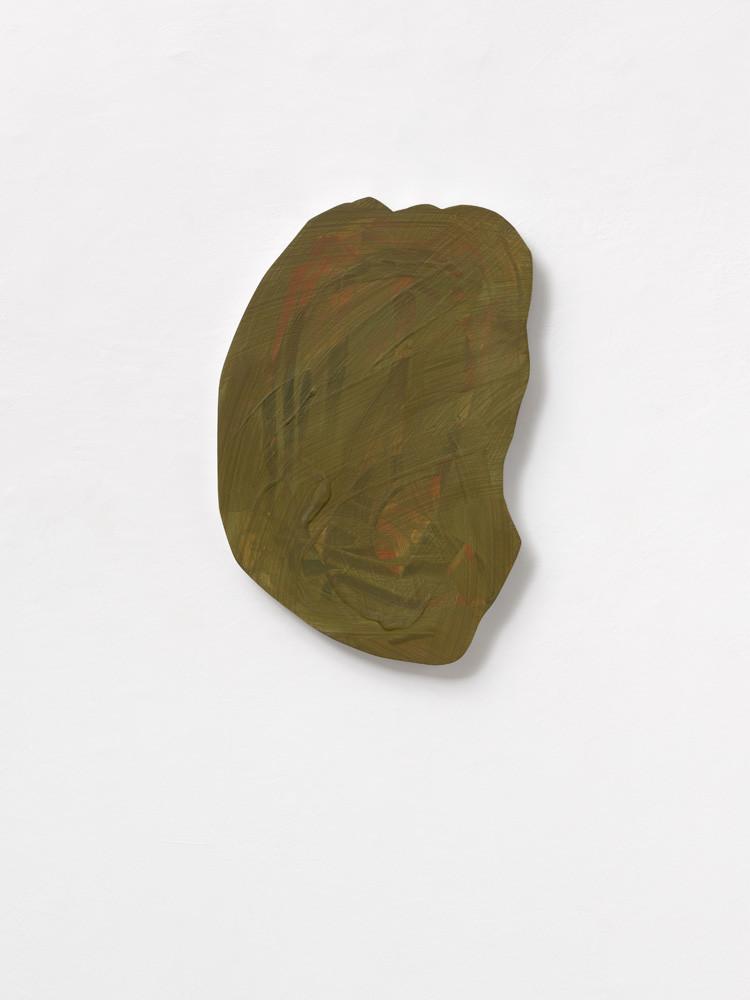
The “Big Girl”” series by Imi Knoebel is a group of works characterized by their large-scale, color-intensive panels. These pieces are typically made of aluminum sheets, arranged in various shapes and color combinations. The title “Big Girl” hints at the monumental presence of the works, which create a powerful visual impact.

Staying true to his minimalist and abstract aesthetic, Knoebel experiments with a playful and dynamic color palette in this series. The works are both rigorous in their geometric clarity and vibrant through their choice of colors and balance between surface and space. They invite viewers to experience color not just as a compositional element but also as an expression of energy and emotion.

The “Big Girl” series reflects Knoebel’s enduring fascination with the possibilities of color and form, demonstrating his ability to make a powerful artistic statement with simple means. The series has been featured in several prominent exhibitions and stands as an impressive example of Knoebel’s contribution to contemporary art.

Enquiry